
Bayonet Bipolar Forceps
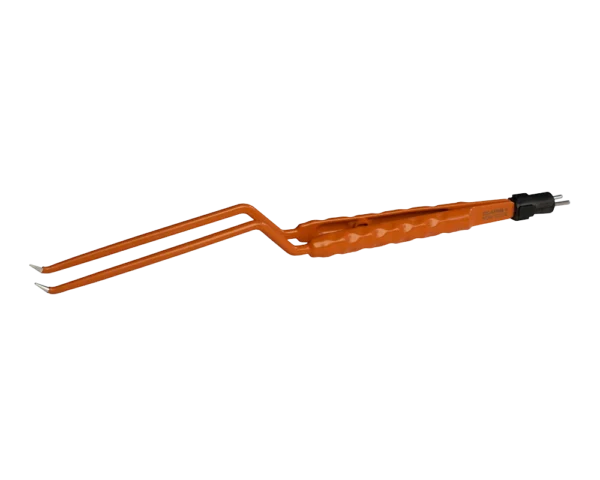
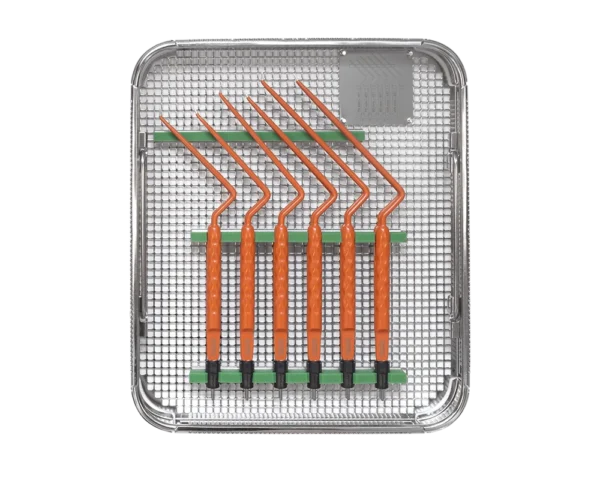
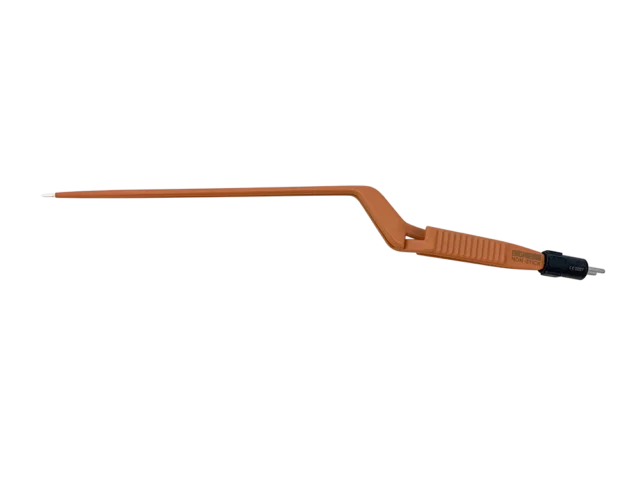
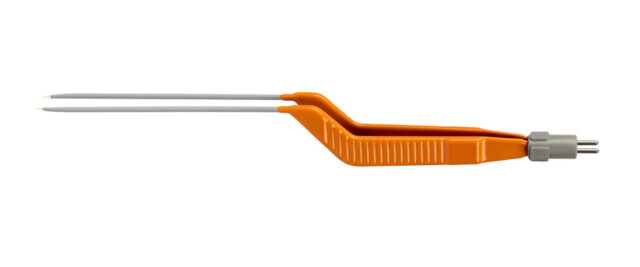
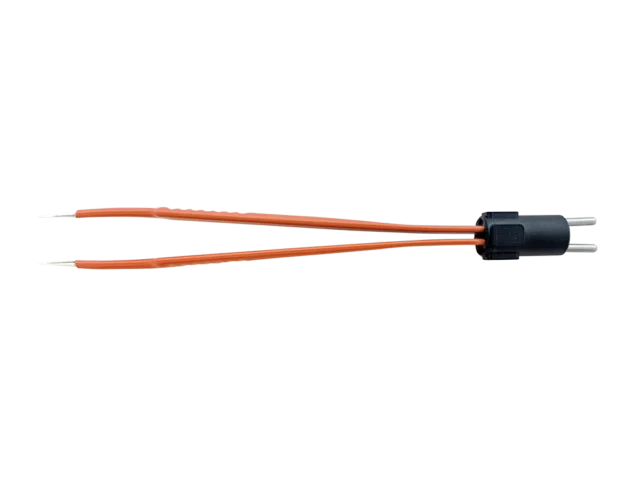
Reusable bayonet-pattern bipolar forceps with non-stick solid silver tips, offered in five lengths (165-260mm) and tip…
View details
EB MED CO proudly distributes ACE Medical bipolar forceps to Canadian hospitals and surgical centres. Crafted in southern Germany with solid silver non-stick tips, these instruments deliver focused coagulation with minimal thermal spread across neurosurgery, ENT, plastic surgery, spine and minimally invasive procedures. From ergonomic round-handle patterns to reverse-action, laparoscopic and MIS…
10 products available to Canadian hospitals and surgical centres through EB MED CO.
Reusable bayonet-pattern bipolar forceps with non-stick solid silver tips, offered in five lengths (165-260mm) and tip…
ACE Medical straight bipolar forceps with solid silver non-stick tips and insulated ergonomic handles, offered in 140…
German-made bayonet bipolar forceps with 45-degree upturned solid silver micro-tips, offered in 210mm and 235mm length…
Angled bipolar forceps with solid silver non-stick tips, built for minimally invasive neurosurgery through narrow port…
Reverse-action bipolar forceps developed with Dr. Takanori Fukushima, featuring solid silver non-stick tips for endosc…
Claris Xclusive bipolar forceps with ultra-fine non-stick silver alloy tips and a slim tine profile, built for microsu…
Compact 110 mm bipolar forceps from Claris with ultra-fine 0.25 mm and 0.6 mm tip options for precise coagulation in m…
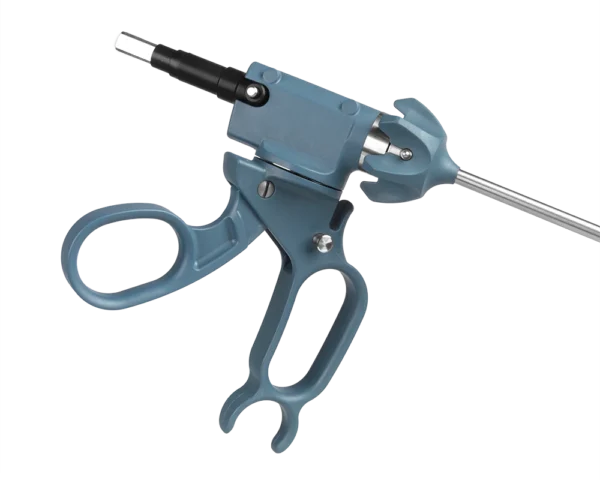
Reusable 5.0 mm bipolar laparoscopic forceps with a 34 cm working length, 270-degree rotating handle, and a full range…
Modular 3.0mm fetoscopic coagulation system with interchangeable electrodes — including a bipolar scissor that cuts an…
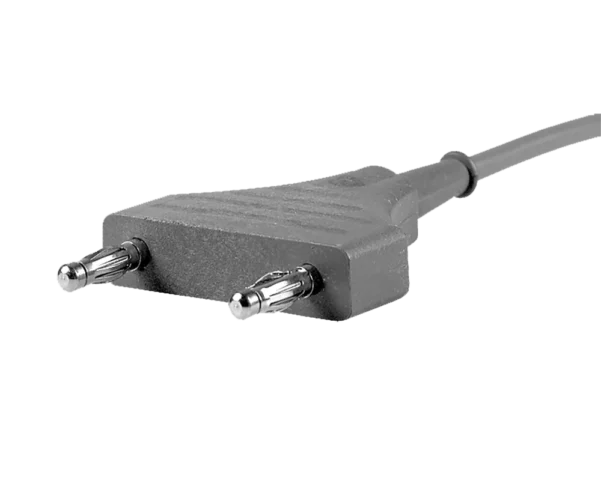
Autoclavable bipolar cables rated for up to 250 sterilization cycles, with 3 m and 5 m lengths and connector options c…
Bipolar forceps sit at the heart of modern electrosurgery and microsurgery, letting surgeons coagulate tissue with pinpoint accuracy while limiting collateral thermal damage. EB MED CO brings ACE Medical’s German-made bipolar range to Canada, giving surgical teams access to instruments engineered for two to three years of repeated sterilization without loss of performance.
Most bipolar forceps on the market rely on coatings or plating that wear away over time. ACE Medical instruments are different: the working tips are solid silver through and through. Silver’s exceptional thermal conductivity draws heat away almost instantly, so tissue does not char and adhere during coagulation. Because there is no coating to erode, the non-stick behaviour survives hundreds of sterilization cycles. The tips are joined to the instrument body using precision laser welding, which keeps electrical conductivity uniform along the entire working end.
The round-handle series is built around a 110 mm ergonomic grip that settles naturally into the palm, reducing fatigue during long microsurgical cases. Five overall lengths from 165 mm to 260 mm and tip widths from 0.5 mm to 2.0 mm cover most needs in neurosurgery, ENT and fine reconstructive work, where comfort and control go hand in hand.
Straight bipolar forceps in 140 mm to 165 mm lengths, with tip widths of 0.5 mm to 2.0 mm, serve oculoplastics, hand and wrist surgery, and other superficial procedures where a clear line of sight and balanced feel matter most. Many surgeons are moving away from older Adson-style bipolars in favour of these more comfortable, reliably non-stick alternatives. Bayonet versions keep the hand out of the visual axis for work under loupes or the microscope.
Angled-up models in 210 mm and 235 mm lengths carry a fine 0.6 mm wide, 0.5 mm long micro tip for reaching awkward anatomy without sacrificing control. The MIS series, developed in collaboration with Dr. Daniel Prevedello, a leading figure in minimally invasive neurosurgery, was purpose-built for keyhole and port-based approaches to brain tumours and intracerebral hemorrhage. Its distinctive 90-degree tine geometry keeps the surgeon’s hand completely clear of the microscope view while the tips converge precisely. Working lengths of 75 mm, 90 mm and 105 mm are offered with 15-degree and 45-degree tip angles, each carrying the same 0.6 mm micro tip.
Reverse-action forceps invert the usual mechanics: squeezing the handle closes the tips for dissection, and releasing lets them relax into the working position for holding. This makes them particularly valuable in endonasal and spine procedures where working room is tight. Lengths span 165 mm to 225 mm with tip widths from 0.5 mm to 2.0 mm.
For coagulation immediately adjacent to critical neural structures, the XClusive line offers ultra-fine tips, 0.3 mm or 0.6 mm wide with a 0.3 mm tip length, on instruments of 200 mm, 220 mm and 240 mm. These are the tools surgeons reach for when a bleed must be controlled without endangering neighbouring tissue.
The Orbitaris laparoscopic bipolar forceps uses a 5.0 mm shaft with insulation built directly into the electrode design rather than an external plastic sleeve, paired with a handle that rotates through 270 degrees. The PowerGrip fetoscopic system, on a slender 3.0 mm shaft in 20 cm and 29 cm lengths, combines a proprietary bipolar forceps-scissor mechanism so the operator can move between coagulating and cutting without changing instruments in confined fetal surgical fields.
Though not a bipolar instrument, the Isabella tumour forceps shares the family’s 90-degree working angle that keeps the hand out of the microscope’s visual path, and is offered in a variety of tip configurations for tumour manipulation.
Reusable cables rated for more than 250 reprocessing cycles round out the system. Facilities can choose 3 m or 5 m lengths, Banana Pin or Valleylab-style connectors, and angled or straight configurations. Compared with disposables, reusable cables cut medical-waste volume and disposal costs, an increasingly important consideration for Canadian hospitals pursuing sustainability targets.
Every forceps is made in southern Germany by instrument makers who specialize in microsurgical precision, blending traditional craftsmanship with modern engineering. To preserve performance, cleaning should begin promptly after surgery using a mild enzymatic detergent and non-abrasive brushes, and ultrasonic cleaning should be avoided on the silver tip ends. With proper care, service life comfortably exceeds industry norms, delivering long-term value to hospitals and surgical centres across Canada.
From the round-handle series to the MIS and PowerGrip platforms, EB MED CO is pleased to make this benchmark non-stick bipolar technology available to Canadian surgical teams.
Tell us the sizes, tip configurations, and quantities you need. We quote Canadian hospitals and surgical centres within one business day.
Request a Quote