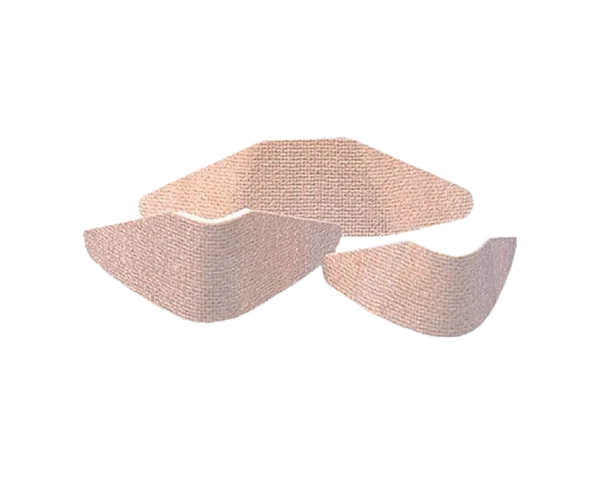

SOFT-FORM Thermoplastic Nasal Splint
A moldable thermoplastic external nasal splint kit for postoperative stabilization after rhinoplasty, septoplasty, or…
View details
External nasal splints give surgeons a way to protect and stabilize the nasal framework externally following rhinoplasty, septoplasty, nasal fracture repair and reconstructive nasal procedures. EB MED CO distributes ACE Medical's external splint range to Canadian surgical practices, offering a choice of thermoplastic, padded aluminum and rigid aluminum designs so surgeons can match the level of…
4 products available to Canadian hospitals and surgical centres through EB MED CO.
A moldable thermoplastic external nasal splint kit for postoperative stabilization after rhinoplasty, septoplasty, or…
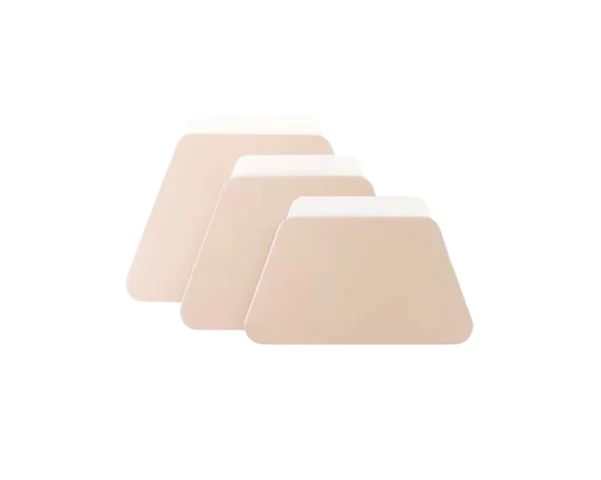
A padded, mouldable aluminum external nasal splint kit for post-rhinoplasty and septoplasty support, supplied complete…
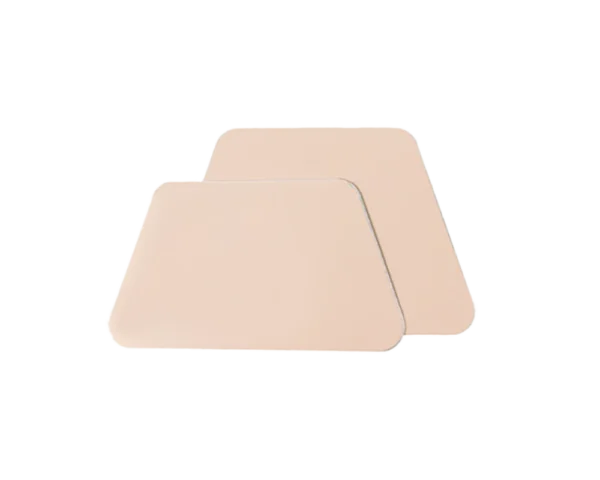
A padded, malleable aluminum external nasal splint kit used after rhinoplasty or septoplasty to support alignment duri…
A lightweight aluminum external nasal splint kit for firm post-operative stabilization after rhinoplasty, septoplasty,…
Thermoplastic splints soften when heated and become rigid once cooled, allowing the surgeon to mould the splint directly onto the patient’s nasal contour for a precise, custom fit. This makes them a strong option whenever the nasal framework has been altered and needs exact external support to hold its new position — for example, after dorsal hump reduction or bridge reshaping, where maintaining the newly contoured profile matters for the final result. The custom fit helps stabilize repositioned bone and cartilage while limiting the risk of post-operative shifting, and the same mouldability supports nasal fracture reduction and septorhinoplasty cases, where the splint needs to adapt as swelling changes over the healing period. Because the fit follows the patient’s own anatomy, pressure is distributed more evenly across the nasal surface.
These splints pair the structural strength of an aluminum core with a cushioning layer, giving firm dorsal support without placing excessive pressure on the skin during recovery. They suit rhinoplasty cases involving osteotomy or dorsal refinement, where the aluminum core holds bone alignment while the padding limits irritation and pressure marks as swelling fluctuates. They are equally common in septoplasty and septorhinoplasty, where both functional and aesthetic correction have been performed, and the even pressure distribution is particularly useful for patients with sensitive skin or thinner soft-tissue coverage. In nasal fracture management, the padded design offers moderate immobilization with a more forgiving interface than a fully rigid splint, making it a versatile choice across both cosmetic and functional procedures.
The AL-D design adds a reinforced aluminum core and thicker padding for cases where more pronounced swelling or tissue sensitivity is expected — complex septorhinoplasty, revision rhinoplasty, or combined functional and cosmetic surgery, where tissue trauma and oedema tend to be greater. The additional cushioning reduces focal pressure points while still supporting the dorsum and sidewalls, which is also valuable after traumatic nasal reconstruction or fracture reduction, where the framework needs firm support but the surrounding tissue is more vulnerable — including patients with thin skin, compromised circulation, or a history of prior nasal surgery. In functional cases such as septoplasty with turbinate reduction, the enhanced padding supports the nose through changes in swelling without adding unnecessary discomfort during breathing or movement.
Where firm stabilization and structural rigidity are the primary goal, the AL-B design uses an aluminum framework with no padding layer, delivering direct, uncompromising support to the nasal dorsum. It is a common choice after nasal fracture reduction, where accurate bone alignment must be protected from swelling, accidental contact or patient movement, and its lightweight construction provides that protection without adding bulk. Surgeons performing significant osteotomies or extensive reshaping in rhinoplasty often reach for this design when strong external control is needed to hold newly positioned bone and cartilage, and it performs the same role in reconstructive or post-traumatic nasal surgery. It sits firmer against the skin than a padded option, but is preferred whenever long-lasting rigidity and precise immobilization outweigh the need for cushioning.
These splints are produced under an ISO 13485 certified quality management system, with design controls and traceability built into manufacturing from material selection through final inspection. That certification supports the consistent fit and dependable protection surgical teams expect during the post-operative healing process.
EB MED CO works with Canadian hospitals, surgical centres and procurement teams to make sure the right splint configuration is on hand for each case, backing ISO 13485 certified products with responsive local support.
Tell us the sizes, tip configurations, and quantities you need. We quote Canadian hospitals and surgical centres within one business day.
Request a Quote