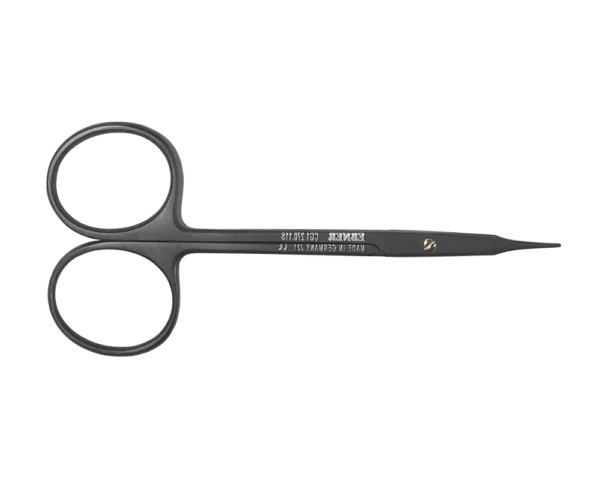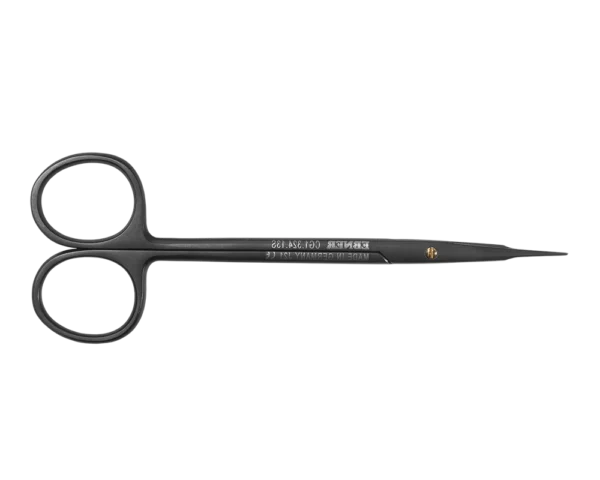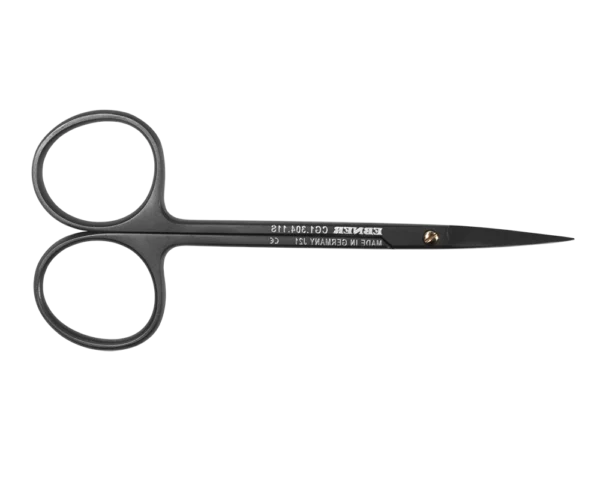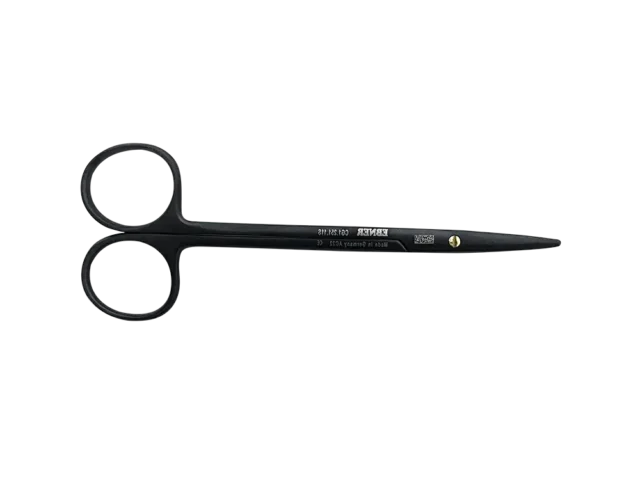
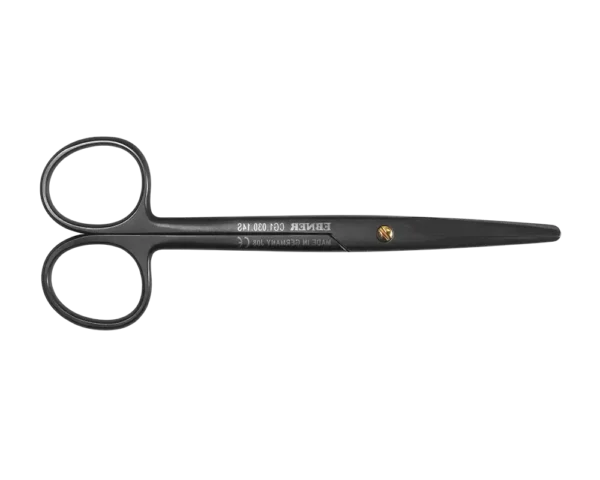
Ebner Mayo Scissors
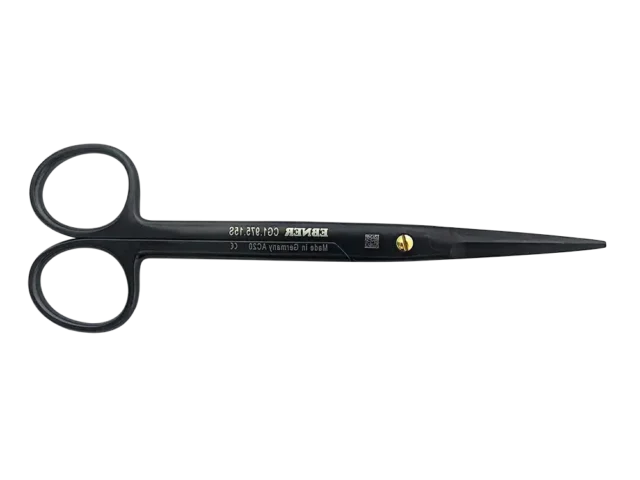
German-made Ebner Mayo scissors with SuperCut micro-serrated edges, in straight or curved patterns and 14cm, 17cm, and…
View details
Ebner
EB MED CO brings Canadian hospitals and surgical centres a full catalogue of precision surgical scissors from ACE Medical and Ebner, spanning general, plastic, cardiovascular, ophthalmic, ENT, and microsurgical patterns. Every pair is machined from German stainless steel and finished to hold a clean, consistent edge through years of clinical use. From SuperCut and tungsten carbide options to a…
17 products available to Canadian hospitals and surgical centres through EB MED CO.
German-made Ebner Mayo scissors with SuperCut micro-serrated edges, in straight or curved patterns and 14cm, 17cm, and…
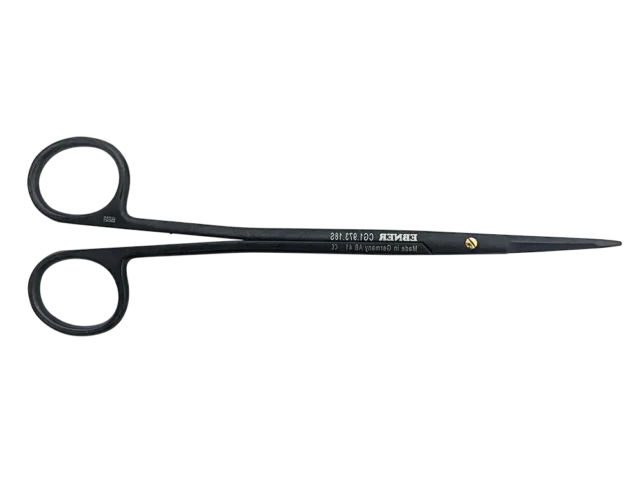
German-made Ebner Metzenbaum scissors with SuperCut edges as standard, in 4.5", 7", and 9" lengths with straight or cu…
German-manufactured Ebner fine Metzenbaum scissors with a slimmer blade profile and standard SuperCut edge, in 4.5 and…
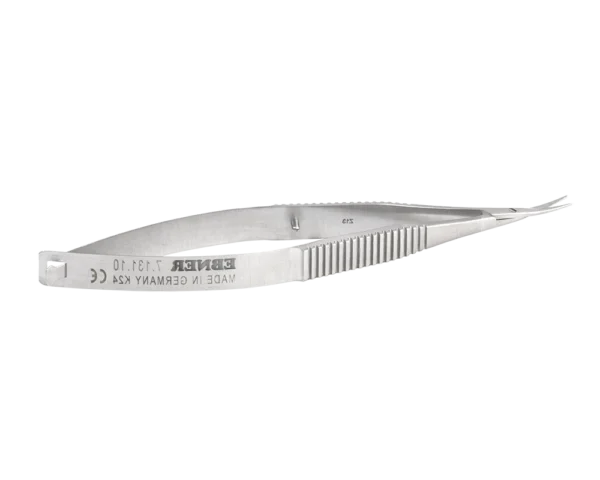
German-made Ebner Stevens tenotomy scissors with Micro Supercut serrated blades, in straight or curved patterns and th…
Compact 4.5" Ebner Reynolds scissors in straight or curved patterns for fine soft tissue dissection in ophthalmic micr…
German-made Ebner iris scissors, 4.5" with straight or curved Micro Supercut blades, for fine dissection in ophthalmic…
German-made Ebner Littler suture scissors (4.25") with blunt-tipped fine blades and optional Micro Supercut serrations…
German-made Ebner strabismus scissors, 4 in / 11 cm, with blunt-tipped curved or straight blades and optional Micro Su…
German-crafted EBNER Westcott tenotomy scissors with ultra-fine pointed tips (13cm / 14mm blade), for blepharoplasty,…
Compact German-made Westcott McPherson ophthalmic scissors, 10 cm overall with a finely curved 7-8 mm blade for micros…
Ebner Aston facelift scissors with curved blades and blunt tips, 6 in / 15cm, for SMAS elevation and atraumatic underm…
Curved Ebner Freeman Kaye facelift scissors with SuperCut edge and PVD coating, made in Germany for SMAS and deep-plan…
German-made Ebner Freeman Gorney scissors with tungsten carbide inserts for SMAS trimming and precise soft tissue work…
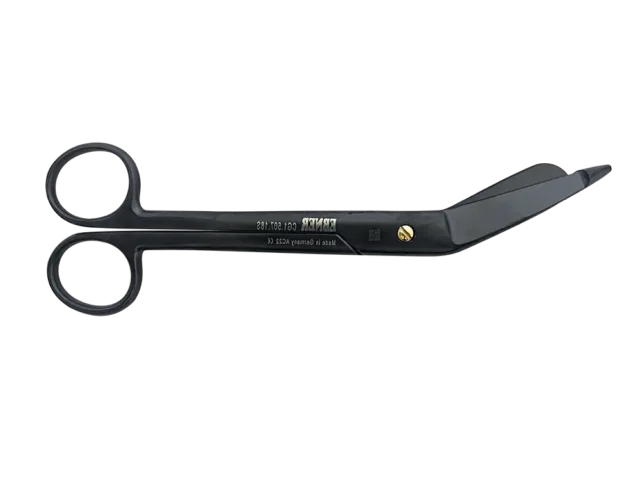
7" Ebner Lister bandage scissors with an angled, skin-protective blade profile for fast, safe dressing removal in ever…
Ebner TC Metzenbaum scissors with tungsten carbide cutting edges and curved 14 cm blades for durable, precise soft tis…
Curved Ebner Stevens tenotomy scissors, 4.25 in / 12 cm, with tungsten carbide inserts for lasting sharpness in ophtha…
German-made Ebner Potts-Smith vascular scissors, 7" (19cm), with angled blades, Micro Supercut serrations, and a wear-…
Every scissor in this line starts as 100 percent German stainless steel, produced to strict European standards for hardness and resistance to deformation across repeated sterilization cycles. Select patterns add a proprietary AlTiN coating, applied by physical vapour deposition to bond at a molecular level with the steel surface. This coating lowers surface friction for a smoother cutting action, better tactile feedback, and slower blade wear over time.
Many styles are available with a SuperCut finish, pairing a finely honed edge against a micro-serrated opposing blade so tissue is gripped and held steady rather than slipping during the cut. This reduces crushing and tearing and is a common choice in plastic surgery, cardiovascular work, ophthalmic surgery, and microsurgical technique, where confined spaces demand a predictable, controlled response.
Select patterns are also offered with tungsten carbide inserts in the cutting blades, adding hardness and rigidity for a firm, clean cut with minimal flex, and extending edge life in high-use environments. These instruments are usually identified by a gold-coloured handle for quick recognition on the tray, with the notable exception of tenotomy scissors, which carry tungsten carbide inserts in a standard handle to preserve the balance surgeons expect from that pattern.
The range covers straight blades for direct-line-of-sight cutting and suture or dressing trimming; curved blades that follow anatomical contours for deeper tissue planes; and angled or bayonet patterns that add reach and visibility in narrow or obstructed fields, useful in ENT, ophthalmic, and microsurgical work. Tip styles range from sharp, for precise entry and controlled dissection, to blunt, which protects surrounding structures during spreading and undermining and is often chosen for facelift surgery, through to fine, narrow blades for delicate work around vessels, nerves, and fragile connective tissue. Lengths run from compact microsurgical sizes, which favour control and manoeuvrability, up to longer instruments for deeper reach without losing balance.
General surgery relies on straight and curved patterns for fascia separation, tissue trimming, and suture management. Ophthalmic and microsurgical work calls for compact, fine-bladed patterns such as Westcott, iris, Reynolds, and tenotomy scissors, sized and curved for confined operative fields around the eye. Plastic and reconstructive surgery favours blunt-tip, curved, and fine-blade scissors for facelift, SMAS dissection, and undermining, often paired with SuperCut or tungsten carbide options for extra tissue control. Cardiovascular and thoracic procedures draw on longer patterns, including Metzenbaum and Potts-Smith styles, for vessel dissection and controlled trimming near critical structures over the course of a long case. ENT and rhinology work benefits from angled, curved, and bayonet designs that maintain visibility in narrow nasal, sinus, and airway spaces.
Balanced weight distribution and a refined pivot mechanism keep the opening and closing action smooth, reducing hand fatigue over repeated use, while carefully proportioned finger rings and handle geometry support a secure grip and accurate control. Rigidity at the joint and cutting edge keeps the response predictable case after case, letting surgeons focus on technique rather than compensating for the instrument.
Production is controlled from material selection through precision manufacturing, assembly, and final inspection, with each instrument checked for blade geometry, cutting accuracy, and surface finish. This attention to detail, combined with premium materials and advanced surface technologies, gives Canadian hospitals and surgical centres long-term value through fewer replacements and lower maintenance costs. EB MED CO is proud to make this scissors collection available to surgical teams across Canada.
Tell us the sizes, tip configurations, and quantities you need. We quote Canadian hospitals and surgical centres within one business day.
Request a Quote